
The Power of Colour: How Colour Affects Our Moods
- Aisha Wakil

- Jul 6, 2025
- 3 min read
Updated: Jul 6, 2025
What is the first thing you notice when you walk into a room? For many, it’s the colour. The colours that surround us have a deep impact on our emotions, behaviours and even our health. Colour is an essential part of interior design, and it is not all about trends. It is an effective instrument that alters the way one operates or experiences the space.

Understanding Colour Psychology
Colour psychology is the study of the effects various colours and shades evoke in our moods and behaviour. The study of colours has been in existence since ancient times, as can be shown by primitive Egyptian and Chinese civilizations employing the use of colours as a healing and mood-altering tool. The power to calm, energize, inspire, or even agitate our mood using colours has long been understood and implemented by many cultures and is now even backed up by modern science.
Blue:
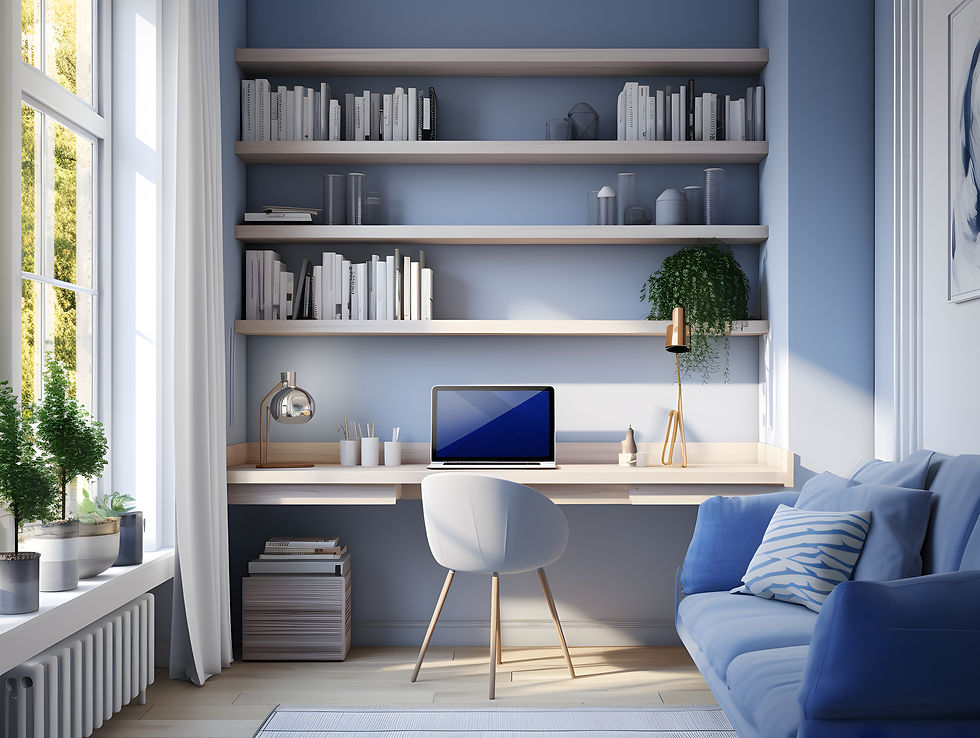
Blue should not be used too much because it has always been linked to relaxation and tranquillity, which is why it should be used in the bedroom or bathroom. It has been proven through studies that blue can reduce blood pressure and pulse rate and make you feel relaxed and calm. Blue is used in many businesses and offices as it promotes productivity.
Yellow:
The yellow colour is associated with happiness and optimism; it can energize the space and boost creativity. It is a great choice for kitchens and home offices, but too much can cause a feeling of agitation, so use it as an accent colour.
Green:
The colour of nature, green, is both calming and refreshing. It is perfect to create some equilibrium and refresh living rooms and other areas.
Red:
Certainly, a bold choice as it can make a living room feel livelier. Red stimulates energy and passion but too much of it can be overwhelming.
Neutrals - White, Beige or Gray:
These colours make things open and simple, and they serve as a canvas where the other design elements stand out.
Effects Of Colour on Our Daily Lives
Just visualize getting into a bedroom that is painted in a nice blue as opposed to bright red. The difference in your mood could be dramatic. Colours have the potential not only to influence our emotions but also the ability to evoke productivity, our appetite, and even how we view the size of a room.
Warm Colours - Reds, Oranges and Yellows:
Described as advancing colours, they can render spaces more comfortable, though they can also make space appear smaller at times.
Cool Colours - Blues, Greens and Purples:
Referred to as receding colour, it makes spaces look bigger, more open and cooler.
Picking The Right Colour Palette for Each Space
Selecting the right colour for a room depends on the function of the room.
Bedroom: Choose light blues, greens, or light neutrals as it will help you relax.

Living Room: Dark, earthy colours or subdued greens form a very inviting and harmonized atmosphere.

Kitchen: Yellow or warm whites stimulate appetite and the feeling of warmth.

Home office: The colours blue and green increase concentration and performance.
The Science Behind Colour Psychology
Studies have indicated that some colours may affect the level of our cognitive performance. For instance, blue also leads to increased levels of creativity, and red enhances our levels of attention to detail.
Colour is more than a decorative element in your space. The silent language of colours dictates how we live today. Apart from knowing how to make your home feel right, by learning the psychology of each colour, you can make it look beautiful as well.
Curious how the use of colour creatively? Read our next blog post on unique ideas on how to bring colour in without overwhelming your space here.
Want more interior design inspiration and expert tips? Subscribe to our newsletter and follow us on social media for weekly insights and fresh ideas. And don’t forget to share this blog with a friend to learn more about colour psychology and follow along in our three-part series on colours.

Comments